
2003 Year in Review
Back to Homepage: Other Listing | Back to Year in Review Index
Set Your Clocks Back |
|
|
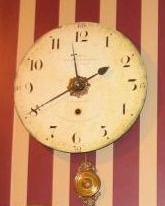
We fall back this weekend, that is to say our clocks fall back from 1:59 am to 1 am on Sunday, October 26. Daylight Saving Time ends, which means one extra hour of sleep but you may spend that hour changing all the clocks in your home. “Many fire departments encourage people to change the battery in the smoke detector when they change their clocks, because it can be so easy to forget otherwise. "A working smoke detector more than doubles a person's chances of surviving a home fire," says William McNabb of the Troy Fire Department in Michigan. More than 90 percent of homes in the United States have smoke detectors, but one-third are estimated to have worn-out or missing batteries.” “The idea of daylight saving was first conceived by Benjamin Franklin during his sojourn as an American delegate in Paris in 1784, in an essay, "An Economical Project."” But was never used until 1925 when British Parliament passed it into law. “Daylight Saving Time saves energy. Studies done by the U.S. Department of Transportation show that Daylight Saving Time trims the entire country's electricity usage by a significant, but small amount, of less than one percent each day with Daylight Saving Time. We save energy in both the evening and the morning because we use less electricity for lighting and appliances.” “Daylight Saving Time "makes" the sun "set" one hour later and therefore reduces the period between sunset and bedtime by one hour. This means that less electricity would be used for lighting and appliances late in the day.” Excerpts for this article were taken from webexhibits.org/daylightsaving To learn more about Daylight Saving Time check out their web site. by Barb Benson, theCity1.com |
Copyright © 2003 TheCity1.com.
All rights reserved